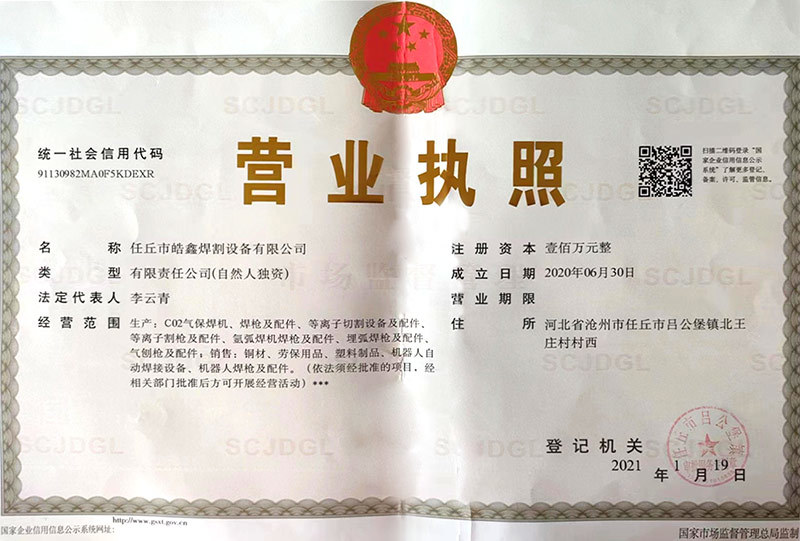
Hao Xin welding and cutting equipment




<title>Master the Art of Welding: Essential Tips for Using Argon Arc Welding Guns</title> <description>Discover the essential tips for mastering argon arc welding. This comprehensive guide covers tech
Release time:
2024-07-28
Master the Art of Welding: Essential Tips for Using Argon Arc Welding Guns Discover the essential tips for mastering argon arc welding. This comprehensive guide covers techniques, equipment, and safety measures, helping you enhance your welding skills and achieve professional results. Gain insights into the best practices and troubleshoot common issues to become a proficient welder. Master the Art

Master the Art of Welding: Essential Tips for Using Argon Arc Welding Guns
Table of Contents
- Understanding Argon Arc Welding
- Benefits of Argon Arc Welding
- Essential Equipment and Tools for Argon Arc Welding
- Preparing for Welding: A Step-by-Step Guide
- Welding Techniques and Tips for Success
- Troubleshooting Common Welding Issues
- Safety Measures in Argon Arc Welding
- Frequently Asked Questions
- Conclusion
Understanding Argon Arc Welding
Argon arc welding, also known as Gas Tungsten Arc Welding (GTAW), is a method that utilizes a non-consumable tungsten electrode to produce the weld. Argon gas is used to shield the weld area from atmospheric contamination, ensuring high-quality and clean welds. This welding technique is prized for its precision and versatility, making it suitable for various metals, including stainless steel, aluminum, and copper.
Benefits of Argon Arc Welding
Argon arc welding offers numerous advantages:
Precision and Control
This method allows for greater control over the welding process, making it ideal for intricate projects and thin materials.
Quality of Welds
Using argon as a shielding gas minimizes oxidation and contamination, resulting in cleaner and stronger welds.
Versatility
Argon arc welding can be used on various metals and thicknesses, making it a go-to choice for many professionals.
Less Post-Weld Cleanup
Due to the clean nature of the welds produced, there is often less need for post-weld finishing.
Essential Equipment and Tools for Argon Arc Welding
To successfully perform argon arc welding, certain equipment and tools are essential:
Welding Machine
Choose a high-quality welding machine that supports DC and AC current to handle various materials.
Tungsten Electrodes
Select the appropriate tungsten electrode based on the material being welded. Common types include pure tungsten (green), thoriated (red), and ceriated (yellow).
Argon Gas Cylinder
Ensure you have a reliable argon gas cylinder, along with regulators and hoses to control the flow of gas.
Welding Helmet and Protective Gear
Invest in a high-quality auto-darkening welding helmet, gloves, and protective clothing to safeguard against sparks and UV radiation.
Welding Rods
Depending on the project, select the appropriate filler material that complements the metal being welded.
Preparing for Welding: A Step-by-Step Guide
1. Set Up Your Workspace
Ensure your workspace is clean, organized, and well-ventilated. Remove any flammable materials and ensure proper lighting.
2. Check your Equipment
Inspect your welding machine, gas connectors, and protective gear to ensure everything is in good working order.
3. Choose the Right Settings
Set the amperage and voltage on your welding machine according to the material thickness and type.
4. Prepare the Metals
Clean the surfaces to be welded using a wire brush or grinder to remove any rust, paint, or contaminants that could affect the weld.
Welding Techniques and Tips for Success
1. Angle of the Torch
Hold the torch at a 15-20 degree angle from vertical for optimal control and penetration.
2. Travel Speed
Maintain a consistent travel speed to ensure even heat distribution and weld pool stability.
3. Maintain a Steady Arc Length
A steady arc length of about 1/8 to 1/4 inch is crucial for achieving a clean weld and preventing contamination.
4. Practice and Patience
Practice on scrap materials before working on your actual project to gain confidence and improve your skills.
Troubleshooting Common Welding Issues
1. Poor Penetration
If you notice poor penetration, check your amperage settings and travel speed. Increasing the amperage or slowing down your travel speed can help.
2. Excessive Spatter
Excessive spatter may indicate incorrect settings or contamination. Ensure your equipment is clean and adjust your settings as needed.
3. Inconsistent Bead Appearance
Inconsistent bead shapes can arise from an unstable arc length or travel speed. Practice maintaining a steady hand and controlled movement.
Safety Measures in Argon Arc Welding
1. Personal Protective Equipment (PPE)
Always wear appropriate PPE, including a welding helmet, gloves, and long-sleeved clothing to protect against burns and UV exposure.
2. Ventilation
Ensure adequate ventilation to avoid inhaling harmful fumes. A fume extractor can be a valuable addition to your workspace.
3. Fire Safety
Keep a fire extinguisher nearby and be aware of your surroundings, eliminating flammable materials from your workspace.
Frequently Asked Questions
1. What metals can be welded using argon arc welding?
Argon arc welding is suitable for welding various metals, including stainless steel, aluminum, copper, and titanium.
2. How do I choose the right tungsten electrode?
Choose the tungsten electrode based on the material being welded; for example, use pure tungsten for aluminum and ceriated for steel.
3. Can I use argon arc welding for thin materials?
Yes, argon arc welding is excellent for thin materials due to its precision and ability to control heat input.
4. What should I do if I notice excessive spatter during welding?
Check your equipment settings, clean your materials, and ensure proper technique to minimize spatter.
5. Is argon expensive compared to other shielding gases?
While argon may be more expensive, its effectiveness in producing high-quality welds often justifies the cost.
Conclusion
Mastering the art of welding with argon arc welding guns requires understanding, practice, and the right equipment. By following the essential tips outlined in this guide, you can enhance your welding skills, troubleshoot common issues, and ensure a safe working environment. As you continue to practice and refine your techniques, you will achieve professional-quality results in your welding projects.
Master the Art of Welding: Essential Tips for Using Argon Arc Welding Guns
Table of Contents
- Understanding Argon Arc Welding
- Benefits of Argon Arc Welding
- Essential Equipment and Tools for Argon Arc Welding
- Preparing for Welding: A Step-by-Step Guide
- Welding Techniques and Tips for Success
- Troubleshooting Common Welding Issues
- Safety Measures in Argon Arc Welding
- Frequently Asked Questions
- Conclusion
Understanding Argon Arc Welding
Argon arc welding, also known as Gas Tungsten Arc Welding (GTAW), is a method that utilizes a non-consumable tungsten electrode to produce the weld. Argon gas is used to shield the weld area from atmospheric contamination, ensuring high-quality and clean welds. This welding technique is prized for its precision and versatility, making it suitable for various metals, including stainless steel, aluminum, and copper.
Benefits of Argon Arc Welding
Argon arc welding offers numerous advantages:
Precision and Control
This method allows for greater control over the welding process, making it ideal for intricate projects and thin materials.
Quality of Welds
Using argon as a shielding gas minimizes oxidation and contamination, resulting in cleaner and stronger welds.
Versatility
Argon arc welding can be used on various metals and thicknesses, making it a go-to choice for many professionals.
Less Post-Weld Cleanup
Due to the clean nature of the welds produced, there is often less need for post-weld finishing.
Essential Equipment and Tools for Argon Arc Welding
To successfully perform argon arc welding, certain equipment and tools are essential:
Welding Machine
Choose a high-quality welding machine that supports DC and AC current to handle various materials.
Tungsten Electrodes
Select the appropriate tungsten electrode based on the material being welded. Common types include pure tungsten (green), thoriated (red), and ceriated (yellow).
Argon Gas Cylinder
Ensure you have a reliable argon gas cylinder, along with regulators and hoses to control the flow of gas.
Welding Helmet and Protective Gear
Invest in a high-quality auto-darkening welding helmet, gloves, and protective clothing to safeguard against sparks and UV radiation.
Welding Rods
Depending on the project, select the appropriate filler material that complements the metal being welded.
Preparing for Welding: A Step-by-Step Guide
1. Set Up Your Workspace
Ensure your workspace is clean, organized, and well-ventilated. Remove any flammable materials and ensure proper lighting.
2. Check your Equipment
Inspect your welding machine, gas connectors, and protective gear to ensure everything is in good working order.
3. Choose the Right Settings
Set the amperage and voltage on your welding machine according to the material thickness and type.
4. Prepare the Metals
Clean the surfaces to be welded using a wire brush or grinder to remove any rust, paint, or contaminants that could affect the weld.
Welding Techniques and Tips for Success
1. Angle of the Torch
Hold the torch at a 15-20 degree angle from vertical for optimal control and penetration.
2. Travel Speed
Maintain a consistent travel speed to ensure even heat distribution and weld pool stability.
3. Maintain a Steady Arc Length
A steady arc length of about 1/8 to 1/4 inch is crucial for achieving a clean weld and preventing contamination.
4. Practice and Patience
Practice on scrap materials before working on your actual project to gain confidence and improve your skills.
Troubleshooting Common Welding Issues
1. Poor Penetration
If you notice poor penetration, check your amperage settings and travel speed. Increasing the amperage or slowing down your travel speed can help.
2. Excessive Spatter
Excessive spatter may indicate incorrect settings or contamination. Ensure your equipment is clean and adjust your settings as needed.
3. Inconsistent Bead Appearance
Inconsistent bead shapes can arise from an unstable arc length or travel speed. Practice maintaining a steady hand and controlled movement.
Safety Measures in Argon Arc Welding
1. Personal Protective Equipment (PPE)
Always wear appropriate PPE, including a welding helmet, gloves, and long-sleeved clothing to protect against burns and UV exposure.
2. Ventilation
Ensure adequate ventilation to avoid inhaling harmful fumes. A fume extractor can be a valuable addition to your workspace.
3. Fire Safety
Keep a fire extinguisher nearby and be aware of your surroundings, eliminating flammable materials from your workspace.
Frequently Asked Questions
1. What metals can be welded using argon arc welding?
Argon arc welding is suitable for welding various metals, including stainless steel, aluminum, copper, and titanium.
2. How do I choose the right tungsten electrode?
Choose the tungsten electrode based on the material being welded; for example, use pure tungsten for aluminum and ceriated for steel.
3. Can I use argon arc welding for thin materials?
Yes, argon arc welding is excellent for thin materials due to its precision and ability to control heat input.
4. What should I do if I notice excessive spatter during welding?
Check your equipment settings, clean your materials, and ensure proper technique to minimize spatter.
5. Is argon expensive compared to other shielding gases?
While argon may be more expensive, its effectiveness in producing high-quality welds often justifies the cost.
Conclusion
Mastering the art of welding with argon arc welding guns requires understanding, practice, and the right equipment. By following the essential tips outlined in this guide, you can enhance your welding skills, troubleshoot common issues, and ensure a safe working environment. As you continue to practice and refine your techniques, you will achieve professional-quality results in your welding projects.
Master the Art of Welding: Essential Tips for Using Argon Arc Welding Guns
Table of Contents
- Understanding Argon Arc Welding
- Benefits of Argon Arc Welding
- Essential Equipment and Tools for Argon Arc Welding
- Preparing for Welding: A Step-by-Step Guide
- Welding Techniques and Tips for Success
- Troubleshooting Common Welding Issues
- Safety Measures in Argon Arc Welding
- Frequently Asked Questions
- Conclusion
Understanding Argon Arc Welding
Argon arc welding, also known as Gas Tungsten Arc Welding (GTAW), is a method that utilizes a non-consumable tungsten electrode to produce the weld. Argon gas is used to shield the weld area from atmospheric contamination, ensuring high-quality and clean welds. This welding technique is prized for its precision and versatility, making it suitable for various metals, including stainless steel, aluminum, and copper.
Benefits of Argon Arc Welding
Argon arc welding offers numerous advantages:
Precision and Control
This method allows for greater control over the welding process, making it ideal for intricate projects and thin materials.
Quality of Welds
Using argon as a shielding gas minimizes oxidation and contamination, resulting in cleaner and stronger welds.
Versatility
Argon arc welding can be used on various metals and thicknesses, making it a go-to choice for many professionals.
Less Post-Weld Cleanup
Due to the clean nature of the welds produced, there is often less need for post-weld finishing.
Essential Equipment and Tools for Argon Arc Welding
To successfully perform argon arc welding, certain equipment and tools are essential:
Welding Machine
Choose a high-quality welding machine that supports DC and AC current to handle various materials.
Tungsten Electrodes
Select the appropriate tungsten electrode based on the material being welded. Common types include pure tungsten (green), thoriated (red), and ceriated (yellow).
Argon Gas Cylinder
Ensure you have a reliable argon gas cylinder, along with regulators and hoses to control the flow of gas.
Welding Helmet and Protective Gear
Invest in a high-quality auto-darkening welding helmet, gloves, and protective clothing to safeguard against sparks and UV radiation.
Welding Rods
Depending on the project, select the appropriate filler material that complements the metal being welded.
Preparing for Welding: A Step-by-Step Guide
1. Set Up Your Workspace
Ensure your workspace is clean, organized, and well-ventilated. Remove any flammable materials and ensure proper lighting.
2. Check your Equipment
Inspect your welding machine, gas connectors, and protective gear to ensure everything is in good working order.
3. Choose the Right Settings
Set the amperage and voltage on your welding machine according to the material thickness and type.
4. Prepare the Metals
Clean the surfaces to be welded using a wire brush or grinder to remove any rust, paint, or contaminants that could affect the weld.
Welding Techniques and Tips for Success
1. Angle of the Torch
Hold the torch at a 15-20 degree angle from vertical for optimal control and penetration.
2. Travel Speed
Maintain a consistent travel speed to ensure even heat distribution and weld pool stability.
3. Maintain a Steady Arc Length
A steady arc length of about 1/8 to 1/4 inch is crucial for achieving a clean weld and preventing contamination.
4. Practice and Patience
Practice on scrap materials before working on your actual project to gain confidence and improve your skills.
Troubleshooting Common Welding Issues
1. Poor Penetration
If you notice poor penetration, check your amperage settings and travel speed. Increasing the amperage or slowing down your travel speed can help.
2. Excessive Spatter
Excessive spatter may indicate incorrect settings or contamination. Ensure your equipment is clean and adjust your settings as needed.
3. Inconsistent Bead Appearance
Inconsistent bead shapes can arise from an unstable arc length or travel speed. Practice maintaining a steady hand and controlled movement.
Safety Measures in Argon Arc Welding
1. Personal Protective Equipment (PPE)
Always wear appropriate PPE, including a welding helmet, gloves, and long-sleeved clothing to protect against burns and UV exposure.
2. Ventilation
Ensure adequate ventilation to avoid inhaling harmful fumes. A fume extractor can be a valuable addition to your workspace.
3. Fire Safety
Keep a fire extinguisher nearby and be aware of your surroundings, eliminating flammable materials from your workspace.
Frequently Asked Questions
1. What metals can be welded using argon arc welding?
Argon arc welding is suitable for welding various metals, including stainless steel, aluminum, copper, and titanium.
2. How do I choose the right tungsten electrode?
Choose the tungsten electrode based on the material being welded; for example, use pure tungsten for aluminum and ceriated for steel.
3. Can I use argon arc welding for thin materials?
Yes, argon arc welding is excellent for thin materials due to its precision and ability to control heat input.
4. What should I do if I notice excessive spatter during welding?
Check your equipment settings, clean your materials, and ensure proper technique to minimize spatter.
5. Is argon expensive compared to other shielding gases?
While argon may be more expensive, its effectiveness in producing high-quality welds often justifies the cost.
Conclusion
Mastering the art of welding with argon arc welding guns requires understanding, practice, and the right equipment. By following the essential tips outlined in this guide, you can enhance your welding skills, troubleshoot common issues, and ensure a safe working environment. As you continue to practice and refine your techniques, you will achieve professional-quality results in your welding projects.
Key words:
Argon arc welding gun
Recommended Reading
2022-07-28
Welding and Cutting Equipment
Renqiu City, Cangzhou City, Hebei Province
Mobile